
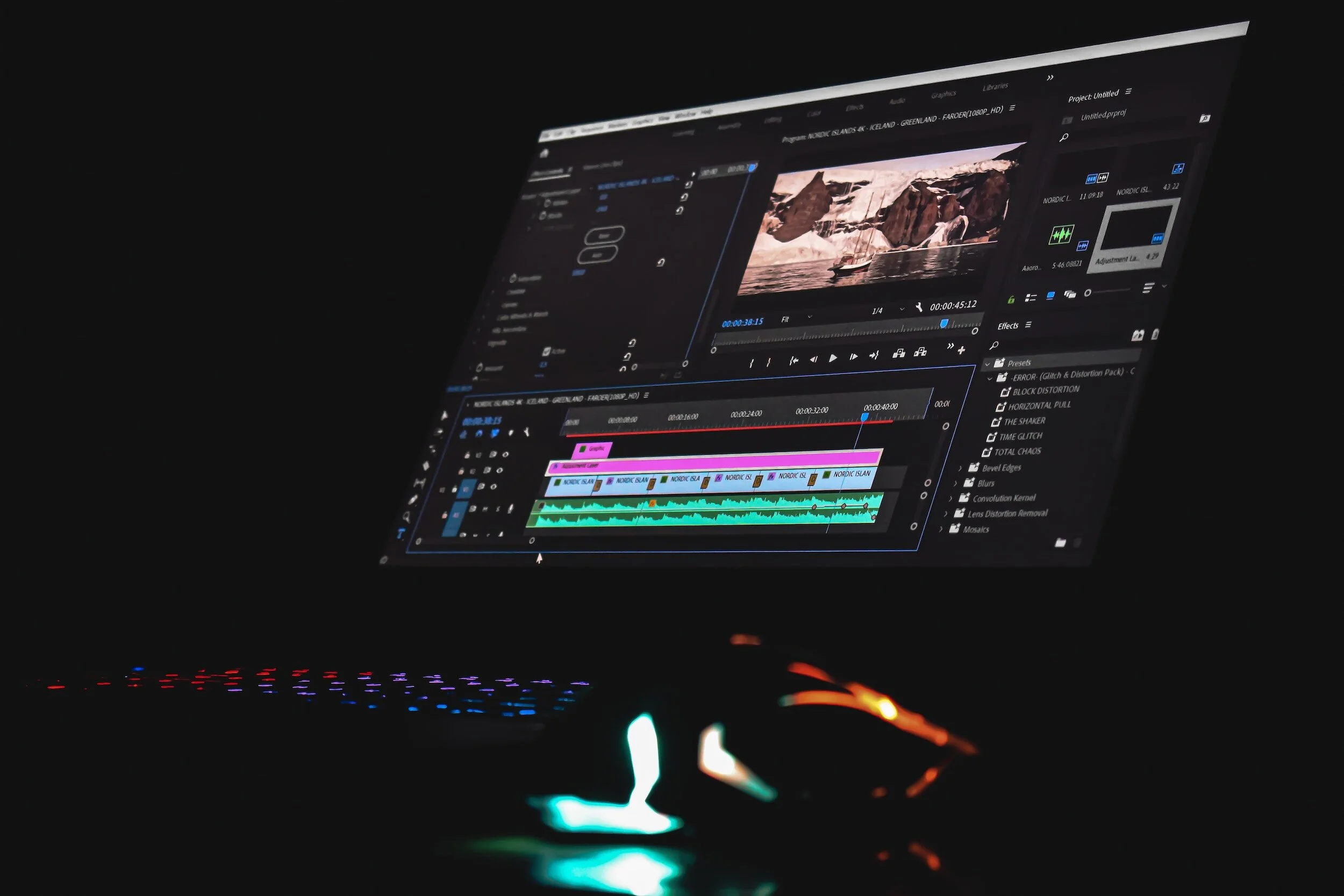
When evidence is present but obscured by low quality or a difficult perspective, we employ a range of tools to recover the information our clients need. Our enhancement relies on conventional signal processing rather than generative AI, so every result traces back to detail that was already present in the source file. Below are a few examples of what can be gleaned from source evidence.
FRAME AVERAGING
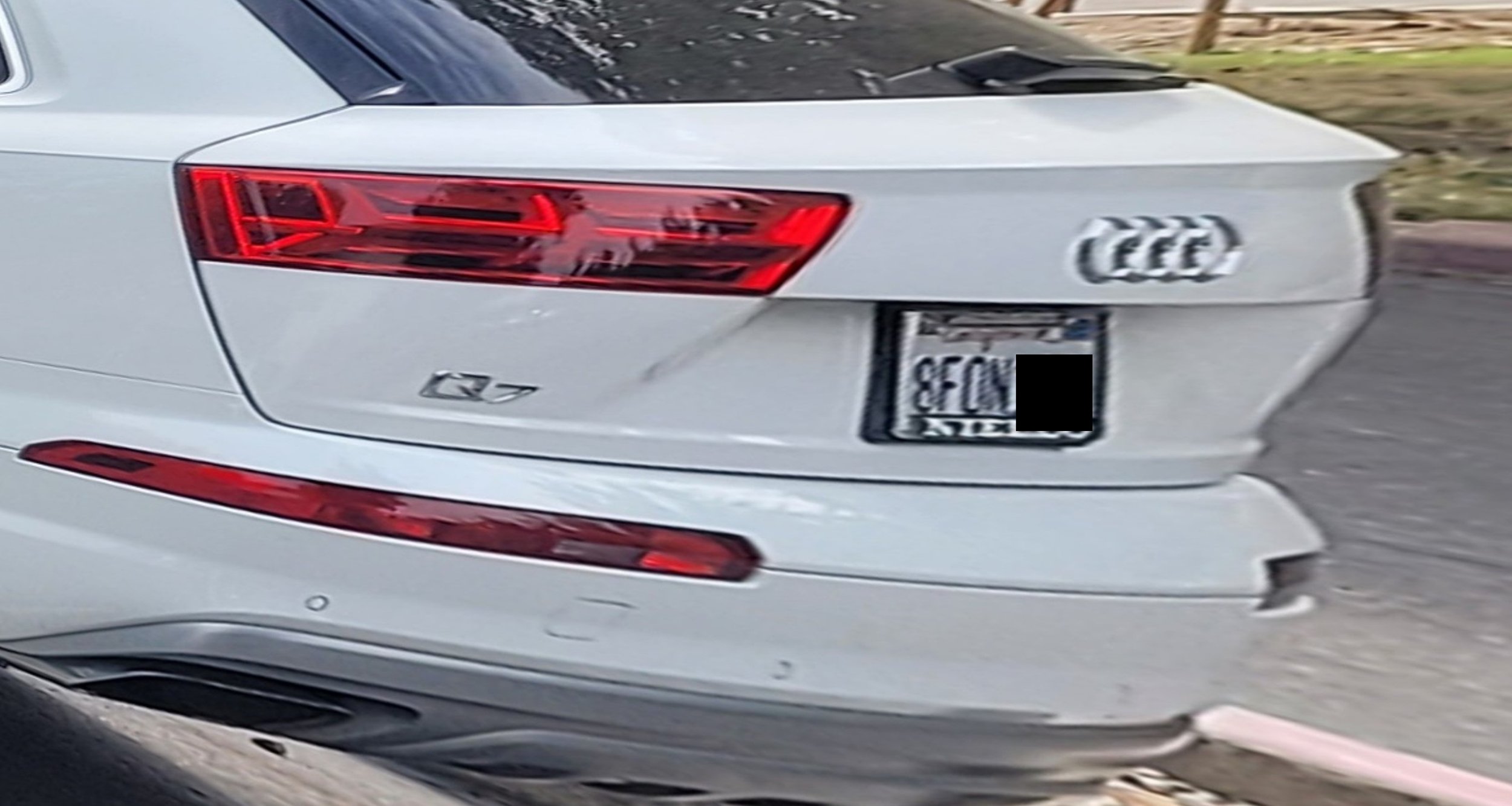
By sampling multiple frames in which a particular object appears, we combine sub-pixel data into a single composite image. Because each frame captures slightly different information, averaging them reduces noise and recovers detail no single frame contains. This method is especially useful for reading license plates in hit and run cases.


MOTION DEBLURRING
When a camera or subject moves during exposure, detail smears across the frame. Deblurring reverses that motion to restore the original edges.


PERSPECTIVE CORRECTION
Not all evidence captures the best angle of the object in question. When a subject sits at an oblique angle to the camera, correcting the perspective can reveal detail that would otherwise be difficult to interpret.

FISHEYE CORRECTION
Mounted 360 cameras provide excellent coverage, but their wide field of view distorts fine detail, particularly toward the edges of the frame. Dewarping that distortion restores accurate proportions and produces a steadier, more readable image.


COLOR AND BRIGHTNESS
Extremely dark or bright conditions can hide critical details such as license plates, suspects, or traffic signals. Adjusting exposure and color balance brings those areas back into a visible range without altering the underlying image data.

